
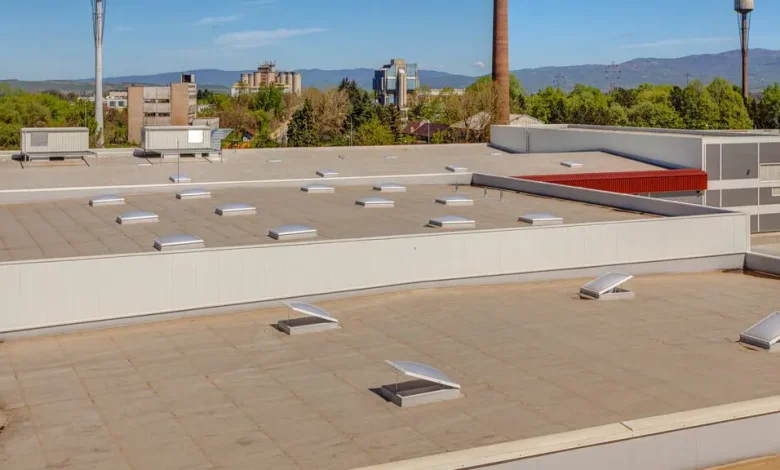
Roofing plays a critical role in protecting any structure from weather elements while contributing to its overall energy efficiency and curb appeal. Whether you’re planning a new installation, an upgrade, or essential maintenance, understanding the fundamentals helps you make informed decisions that extend your roof’s lifespan and improve home value.
Understanding the Purpose of a Roofing System
A roofing system is more than just the outer layer of shingles or tiles. It’s an integrated structure designed to:
-
Shield the interior from rain, snow, sunlight, and debris
-
Regulate temperature through proper insulation and ventilation
-
Prevent water intrusion via underlayment, flashing, and drainage components
-
Enhance structural integrity, ensuring long-term durability
Proper roofing enhances overall home safety and energy efficiency.
Popular Roofing Materials
Choosing the right roofing material depends on your climate, budget, and design preferences. Below are some of the most commonly used options.
Asphalt Shingles
Asphalt shingles remain the most popular due to their affordability and versatility.
Key benefits:
-
Wide variety of colors
-
Easy installation
-
Moderate lifespan (15–30 years)
Metal Roofing
Metal roofs have grown increasingly popular for both residential and commercial buildings.
Advantages include:
-
Long lifespan (40–70 years)
-
High energy efficiency
-
Excellent weather resistance
Clay and Concrete Tiles
These materials provide a distinct, timeless aesthetic.
Notable features:
-
Exceptional durability
-
Fire-resistant properties
-
Heavier weight, requiring reinforced roof framing
Slate Roofing
Slate is known for its premium quality and long service life.
Highlights:
-
Lifespan over 75 years
-
Natural, elegant appearance
-
Higher installation costs
Wood Shakes and Shingles
A natural choice for homeowners seeking a rustic look.
Pros:
-
Attractive aesthetics
-
Good insulation
-
Regular maintenance required to prevent rot and insect damage
Roofing Installation Essentials
Proper installation ensures long-term performance. A professional installation typically includes:
Surface Preparation
-
Removing old roofing layers
-
Inspecting for structural issues
-
Adding necessary reinforcements
Underlayment and Waterproofing
High-quality underlayment acts as a protective barrier against moisture.
Flashing Application
Metal flashing is applied around chimneys, vents, and edges to prevent leaks.
Final Roofing Layer
The main roofing material—shingles, tiles, or metal panels—is installed in a systematic layout for maximum durability.
Maintaining a Roof for Longevity
Daily exposure to harsh elements makes regular maintenance crucial.
Key Maintenance Steps
-
Annual inspections by a licensed roofer
-
Clearing debris from gutters and roof valleys
-
Checking for damaged shingles, loose flashing, or water stains
-
Trimming nearby trees to reduce impact and debris accumulation
Preventative maintenance helps avoid costly repairs and extends the roof’s life.
Signs You Need Roof Repair or Replacement
Being alert to early signs of damage prevents larger structural issues.
Common Warning Signs
-
Curled or missing shingles
-
Water leaks or interior stains
-
Granule loss
-
Sagging roof deck
-
Excessive moss or algae growth
If your roof is nearing the end of its expected lifespan, a professional inspection can help determine whether repair or full replacement is necessary.
FAQs
1. How often should I schedule a roof inspection?
Most experts recommend inspecting your roof at least once a year or after major storms.
2. What is the average lifespan of a typical residential roof?
Depending on materials, residential roofs last anywhere from 15 to 70+ years.
3. Can I install a new roof over an old one?
Some local codes allow it, but it’s often better to remove the old material for a long-lasting installation.
4. What factors influence my roofing costs?
Roof size, materials, labor, pitch, and removal of old roofing all impact total cost.
5. How do I know which roofing material is right for my climate?
Metal and slate suit harsh climates, while asphalt works well in moderate zones. Consulting a roofer helps ensure the right choice.
6. Do roofing warranties cover installation mistakes?
Manufacturer warranties usually cover materials, while workmanship warranties come from the contractor.
7. What are the benefits of proper roof ventilation?
It helps regulate temperature, prevents moisture damage, and extends the roof’s lifespan.


