
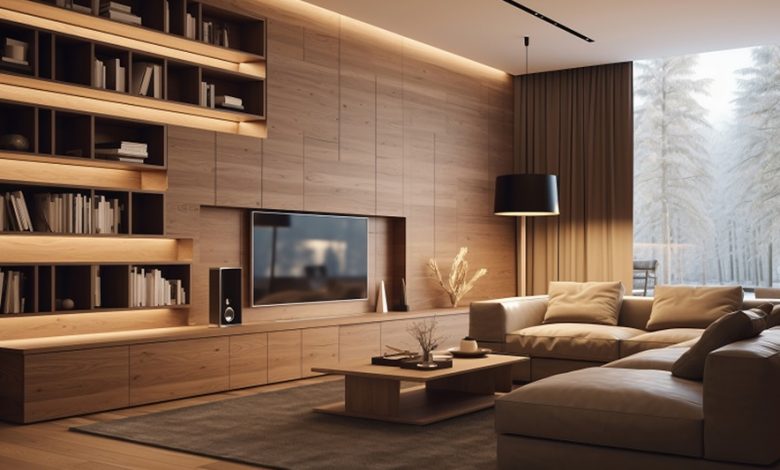
A premium renovation involves more than selecting attractive finishes. The layout, materials, lighting and storage must work together to support daily routines and create a coherent home. When planning luxury interior design in Singapore, homeowners can make the process more manageable by establishing priorities before choosing individual details.
Good planning also helps clarify the scope of interior design services needed, from spatial planning and material selection to lighting coordination and built-in furniture. These six decisions can provide a practical starting point before renovation work begins.
1. Set Priorities for Each Space
Begin by identifying how each room will be used. A living room may need space for entertaining and relaxing, while a study may require focused lighting, concealed cables and sufficient desk storage.
List the household’s main activities and consider who uses each area. Families with young children may need durable finishes and accessible storage, while homeowners who entertain regularly may prioritise seating and circulation.
Create a hierarchy of needs before discussing decorative features. This makes it easier to allocate space to essentials and reduces the risk of spending heavily on details that do little to improve daily life.
2. Plan the Layout Before Choosing Finishes
The layout determines how people move through the home and how furniture fits into each room. Review door swings, walking routes, furniture dimensions and access to windows before finalising the design.
In smaller rooms, oversized furniture or unnecessary partitions can make the space feel restricted. In larger homes, poor zoning may leave areas disconnected or difficult to use. Ask the designer to explain how the proposed arrangement supports movement and connects the rooms.
Consider future needs as well. Flexible furniture, accessible storage and adaptable work areas may help the home remain useful as household routines change.
3. Choose Materials for Appearance and Performance
Premium materials can create a distinctive finish, but their maintenance requirements vary. Natural stone may have unique patterns and require specific care, while timber finishes can add warmth but may react to moisture, heat or sunlight.
Ask for samples and review them under lighting similar to the conditions in your home. Check how the materials look alongside one another and request information about cleaning, durability, repair and replacement.
The most suitable choice balances appearance with everyday use. A delicate surface may work well in a low-traffic area but become impractical on a kitchen worktop or family dining table.
4. Plan Lighting in Layers
Lighting affects how the space looks and functions. General lighting provides overall illumination, task lighting supports activities such as cooking or reading, and accent lighting highlights architectural features or artwork.
Discuss the placement of fittings, switches and dimmers early, before electrical work is completed. Consider natural daylight throughout the day and whether curtains or blinds will affect the amount of light entering the room.
Colour temperature also influences the atmosphere. Consistent planning helps avoid a room with mismatched lighting effects or poorly lit work surfaces. Ask the designer how the lighting scheme will support different activities without relying on decorative fixtures alone.
5. Integrate Storage and Technology
Storage should be planned around what the household needs to keep and access. Built-in cabinets can create a clean visual line, but their internal dimensions and accessibility matter as much as their exterior finish.
List items that need dedicated space, including appliances, cleaning equipment, luggage, work materials and entertainment devices. Consider where charging points, routers and cables will sit so they do not interfere with cabinetry or circulation.
For integrated technology, check maintenance access and ventilation requirements. Concealing every device may create a neat appearance, but equipment still needs enough space to operate safely and remain accessible for servicing.
6. Allocate the Budget Before Finalising the Design
A renovation budget should cover more than visible finishes. Include labour, fittings, electrical work, plumbing, built-in furniture, delivery, installation and an allowance for unforeseen issues.
Ask for a clear breakdown of the proposed scope and identify which items are essential, optional or subject to further quotation. Confirm how design revisions, material substitutions and changes during construction will affect the cost.
When engaging interior design services, clarify who coordinates contractors, monitors progress and communicates changes. Written documentation helps align expectations before work starts.
Decision Matrix: Where Should You Focus First?
| Main priority | Decision to address early | Practical reason |
| Better daily circulation | Room layout and furniture placement | Helps avoid awkward movement routes |
| Long-term durability | Material performance and maintenance | Matches finishes to household use |
| Flexible atmosphere | Layered lighting and controls | Supports different activities |
| Less visible clutter | Storage and cable planning | Keeps everyday items accessible |
| Integrated technology | Equipment placement and access | Supports installation and future servicing |
| Budget control | Scope, quotations and contingency | Makes trade-offs easier to evaluate |
A successful premium renovation starts with decisions about how the home will function. Layout, material performance, lighting, storage and budget need to be considered together before decorative choices are finalised.
When planning luxury interior design in Singapore, ask how the proposed design supports your household’s routines and future needs. Clear scope and communication are equally important when selecting interior design services.
Contact Hoft Interior to make your renovation priorities come true, and the design considerations involved.


