Owning an older home comes with a unique kind of charm that modern construction simply cannot replicate. From original hardwood floors and intricate crown molding to mature landscaping and established neighborhoods, historic and vintage properties offer character and craftsmanship built to last. However, while the visible architectural details of an older house often age gracefully, the hidden systems operating behind the walls tell a very different story. Among the most critical yet frequently overlooked of these systems is the plumbing. Hiring reliable plumbing services santa clarita ensures that minor pipe leaks are fixed before they cause costly water damage to your home.
Unlike a roof that shows missing shingles or exterior paint that visibly peels, plumbing deteriorates quietly out of sight. Pipes tucked beneath floorboards, behind plaster walls, and deep underground endure decades of water pressure, mineral buildup, temperature fluctuations, and soil movement. For homeowners of older residences, scheduling routine plumbing inspections is not merely a preventative chore; it is one of the smartest investments you can make to protect your property, your wallet, and your peace of mind.
Catching Silent Leaks Before They Cause Structural Damage
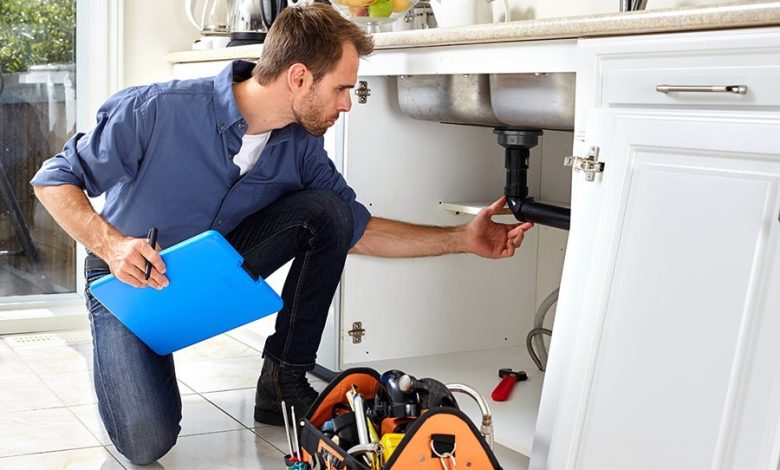
One of the greatest dangers in an older home is the slow, undetected leak. A dramatic pipe burst demands immediate attention, whereas a tiny drip behind a tiled shower wall or beneath a kitchen sink can go unnoticed for months or even years. By the time water stains appear on a ceiling or floorboards begin to warp, the underlying damage is often extensive.
Persistent moisture trapped inside dark wall cavities creates an ideal breeding ground for mold and mildew, which can compromise indoor air quality and trigger respiratory issues for household members. Beyond health concerns, prolonged water exposure weakens wooden framing, rots subflooring, and compromises the structural integrity of load-bearing walls. In homes with plaster walls and irreplaceable vintage woodwork, water damage can destroy historical features that are extraordinarily expensive to restore.
Protecting Your Foundation and Sewer Lines
The plumbing system of an older home extends well beyond its exterior walls, connecting to municipal sewer mains or private septic systems beneath the yard. Underground sewer laterals in older neighborhoods are commonly constructed from vitrified clay or concrete. While strong, these materials were installed in short sections joined together, creating dozens of seams along the length of the pipe.
Over the decades, mature trees in established yards naturally seek out sources of moisture and nutrients. Tiny hair-like roots infiltrate the microscopic gaps in older sewer joints, expanding as they grow until they crack the pipe or form dense blockages that cause raw sewage to back up into the home. Additionally, natural soil settling and freeze-thaw cycles can cause older underground pipes to misalign or collapse entirely.
Routine inspections often include video camera evaluations of the main sewer line. By feeding a high-resolution waterproof camera through the drain system, a plumber can inspect the interior condition of the underground piping in real time. Identifying root intrusion, cracks, or sagging bellies in the line early enables homeowners to utilize modern trenchless repair methods, preserving mature trees, driveways, and landscaping from destructive excavation.
Maintaining Water Quality and Fixture Efficiency
Water quality is another vital reason to keep a close eye on aging plumbing. As older pipes corrode and accumulate decades of mineral scale, heavy metals and sediment can leach into your household water supply. Routine inspections evaluate not only the physical integrity of the pipes, but also the condition of valves, water heaters, and backflow prevention devices that keep clean water safe from contamination.
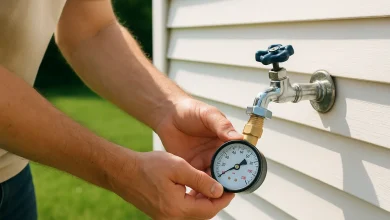
Older shut-off valves are notorious for seizing up due to mineral deposits. In an emergency, discovering that your main water shut-off valve will not turn can turn a manageable leak into a flooded basement. Regular maintenance ensures that all isolation valves operate smoothly and that pressure-reducing valves are functioning properly. High municipal water pressure puts tremendous strain on aging joints and appliance hoses; keeping water pressure within a safe, regulated range significantly extends the life of every pipe and fixture in the house.
Conclusion
Caring for an older home requires a mindset of stewardship rather than reaction. While it is tempting to ignore systems that appear to be working fine on the surface, the hidden nature of residential plumbing makes complacency a costly gamble. Routine plumbing inspections provide an essential window into the health of your home’s infrastructure, uncovering silent leaks, aging materials, and underground vulnerabilities long before they escalate into emergencies. By making regular professional evaluations a standard part of your home maintenance routine, you preserve the beauty, safety, and lasting value of your vintage property for generations to come.