
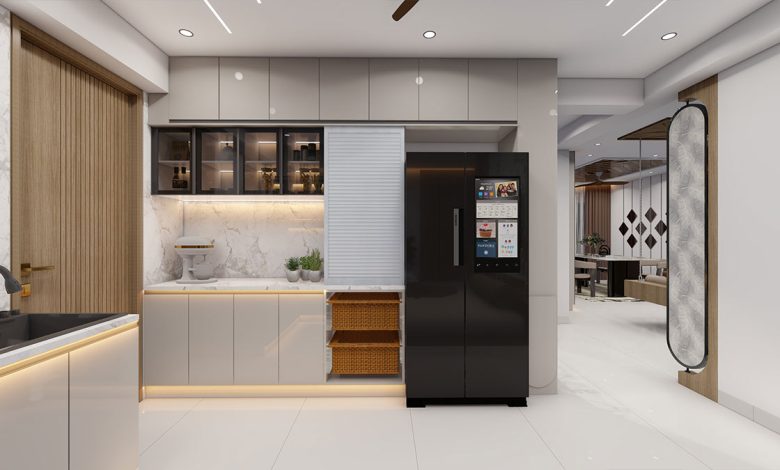
The best homes are the ones that feel effortless to live in. They support busy mornings, relaxed evenings, family gatherings and everything in between without demanding attention. While every room plays a role, few spaces influence everyday life as much as the room where people cook, gather and talk.
Over the years, expectations have changed. Homeowners are no longer looking for spaces that simply look impressive. They want rooms that improve the way they live, reflect their personality and continue to work well long after the latest design trend has passed.
Creating that kind of space takes more than selecting attractive colours or premium materials. It starts with understanding how a home is used and designing around the people who live there.
Why Every Home Deserves Its Own Approach
No two homes are exactly the same. Even neighbouring properties built to identical plans can feel completely different once people begin living in them.
Some households spend hours cooking every evening, while others need a space where children can complete homework as dinner is prepared. Some love entertaining guests, while others simply want somewhere calm to enjoy a morning coffee.
These differences mean there is rarely a perfect standard layout. The most successful designs begin by understanding how people actually use their homes.
Creating Spaces Around Modern Living
The growing popularity of bespoke kitchens reflects a wider shift towards homes that are designed around individual lifestyles rather than standard specifications.
Instead of choosing cabinetry from a fixed range, homeowners are increasingly looking for layouts, storage solutions and finishes that work specifically for their property. Every decision, from the size of an island to the position of appliances, is made with everyday life in mind.
This approach creates spaces that feel natural to use because they have been designed around the household rather than asking the household to adapt.
A Balance Between Style and Practicality
Beautiful design should never come at the expense of practicality. A room may look stunning in a photograph, but if it lacks storage, interrupts movement or makes cooking awkward, those problems quickly become apparent.
Good design quietly solves everyday challenges. It considers where food is prepared, how people move around the room and where everyday items should be stored.
When functionality and appearance are planned together, the result feels both elegant and effortless.
Quality Is Something You Experience Every Day
Some of the most important elements of a well-designed room are the ones people notice without consciously thinking about them.
Cabinet doors that close smoothly, worktops that feel substantial and carefully fitted drawers all contribute to the overall experience. These details may seem small individually, but together they create a room that feels durable and refined.
Choosing quality materials is not simply about appearance. It is an investment in how the space performs over many years of daily use.
Lighting Shapes the Entire Room
Lighting has a remarkable influence on how a room feels throughout the day.
Morning sunlight can make a space feel bright and energising, while carefully positioned lighting creates warmth during the evening. Task lighting supports cooking, while softer lighting encourages conversation and relaxation.
Considering natural and artificial light together allows a room to adapt easily from practical workspace to social setting.
Storage Should Work Without Being Seen
One of the biggest frustrations in any home is clutter. Everyday items quickly accumulate unless there is a logical place for everything.
Thoughtful storage helps maintain a calm and organised environment without making the room feel overcrowded. Deep drawers, integrated pantry cupboards, concealed recycling and internal organisers all make daily routines easier.
The best storage solutions are often the least noticeable because they simply become part of how the room functions.
Craftsmanship Makes the Difference
Design ideas are only part of the process. Bringing those ideas to life requires precision, experience and attention to detail.
Accurate installation, carefully aligned cabinetry and high-quality finishes create a room that feels complete from every angle. Small details, such as consistent spacing and seamless joins, contribute to an overall impression of quality.
Studios such as Kemp Kitchen Design Studio understand that craftsmanship is just as important as design. A carefully planned room deserves an equally careful installation.
Creating a Space That Grows With You
Homes rarely stay the same forever. Families grow, careers change and lifestyles evolve over time.
A well-designed space should be flexible enough to adapt to these changes. Durable materials, practical layouts and timeless styling help ensure the room continues to feel relevant for many years.
Planning with the future in mind often proves just as valuable as designing for the present.
More Than Following Trends
Interior design trends will always come and go. Colours, finishes and styles change from year to year, but good design has a much longer lifespan.
Rather than chasing fashion, many homeowners now focus on creating spaces that feel personal, comfortable and appropriate for their property.
This approach often results in rooms that continue to look elegant long after short-lived trends have disappeared.
A Room That Works Every Single Day
The most successful homes are not those that impress visitors for a few minutes. They are the ones that continue making everyday life easier year after year.
By combining thoughtful planning, quality craftsmanship and a genuine understanding of how people live, it is possible to create a room that supports every stage of life.
When a space is designed around the people using it rather than a standard template, it becomes more than just another room. It becomes somewhere people genuinely enjoy spending time every single day.


