Cleaner indoor air is important for every home. Dust, smoke, mould, pet hair, and allergens stay inside and circulate through the air you breathe. Many people look for a reliable air filter for the home, and HEPA filters are among the most trusted options.
But the key question remains: Do HEPA filters really work? The answer is yes. When used correctly, they remove tiny harmful particles and improve indoor air quality.
What Is a HEPA Filter?
A HEPA filter is designed to capture very small airborne particles. It can trap dust, pollen, mould spores, pet dander, and even smoke particles. The filter uses fine fibres arranged in layers to block pollutants as air passes through. This makes HEPA technology useful for households dealing with allergies, asthma, or high pollution levels.
While it is not designed to remove odours or gases by itself, it works very well for particles that affect breathing and cause irritation.
How HEPA Filters Improve Air Quality at Home
HEPA filters work by forcing air through fine mesh barriers that trap unwanted particles. Here’s how they help:
- Reduce dust settling on furniture.
- Capture fine smoke particles from cooking or pollution.
- Help people with allergies by removing pollen and pet dander.
- Minimise airborne irritants that affect children and elders.
These benefits make HEPA a strong option for anyone who wants cleaner indoor air.
Do HEPA Filters Remove Viruses and Germs?
HEPA filters can trap some particles that are similar in size to airborne germs. While they should not be seen as medical devices, they do help reduce general exposure to contaminants. For even better control, many purifiers combine HEPA with other technologies such as activated carbon or UV-C light.
Where HEPA Filters Work Best
A HEPA air purifier works well in:
- Bedrooms, where dust affects breathing while sleeping.
- Living rooms with pets.
- Homes near busy roads or construction.
- Small offices with closed windows and low ventilation.
If you use an air filter for the home, place it in a room where you spend the most time for better results.
Limitations of HEPA Filters
HEPA filters are powerful but not complete solutions on their own. They do not remove gases, chemical odours, or humidity. For strong smells, you need an activated carbon filter. For high moisture, a dehumidifier helps more. Choosing a purifier with more than one filter gives better overall coverage.
Another point to remember is maintenance. HEPA filters need cleaning or replacement as per the manufacturer’s advice to keep performance strong.
Recommended Air Purifiers with HEPA Filters
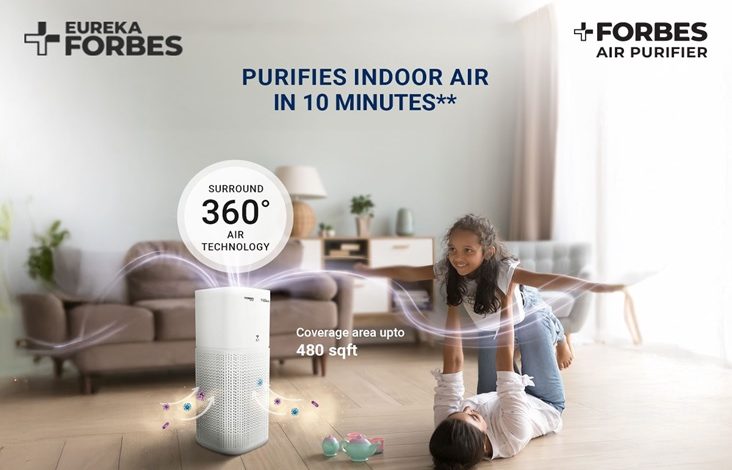
- Forbes Smart 500 Surround 360° Air Purifier
This purifier offers strong HEPA filtration along with advanced features for indoor spaces. It handles smoke, dust, and fine particles and works well in large rooms. The sensors adjust fan speed based on air quality, ensuring steady and reliable performance.
- Forbes 150 Surround 360° Air Purifier
This model is ideal for small to medium rooms. It carries multi-stage filtration with HEPA and activated carbon. It helps reduce cooking fumes, pet hair, and pollen, and is a good entry-level purifier for homes that want basic protection without many controls.
Should You Buy a HEPA Air Filter for the Home?
If your household deals with dust, allergens, pet hair, or mild pollution, HEPA filtration is a smart choice. It offers direct relief by trapping tiny airborne particles that normal filters miss. With proper care and use, a HEPA-based purifier can create cleaner and healthier indoor air for your family.
Conclusion
HEPA filters are effective at removing small airborne particles that affect breathing and comfort. For homes that need cleaner indoor air, a HEPA air filter for the home provides a practical and proven solution. By choosing the right air purifier and maintaining it well, you can enjoy fresher air and a cleaner living space every day.