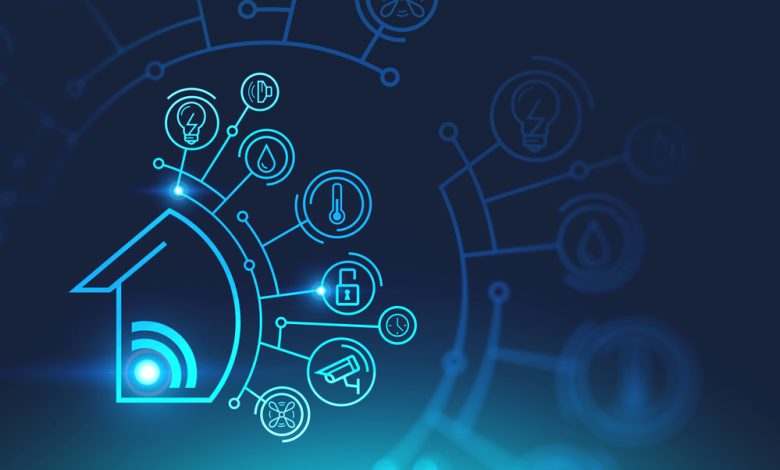
A real estate agent friend of mine was recently explaining to me how important smart living has become to buying and selling homes. Younger buyers are more interested in smart living features and are willing to pay extra for them. And as older buyers begin aging out of the system, smart living will ultimately become the standard. But what is smart living, exactly?
Smart living is the practice of enhancing daily life with the use of smart technologies. In a residential setting, it boils down to equipping a home with smart security and automation features. Millions of us have already started down the smart living road, whether intentionally or not, by investing in things like smart speakers and smart TVs.
As we turn the page to 2026, there are three things that define modern smart living and the modern smart home. They will play a huge role in defining smart living’s future.
1. Home Security
You could make the case that the modern smart home paradigm was birthed from first-generation home security systems installed back in the 1970s. Back then, home security was pretty basic. It was also so expensive as to exclude all but the wealthy. Things have changed considerably since then.
Modern home security is accessible to just about everyone. Consumers have access to affordable entry-level security systems as well as the most expensive packages with all the bells and whistles. They can invest in well-known brands like Vivint Home Security or save money by going with a DIY brand. Smart technology makes it all possible with wireless systems that do not require major construction to install.
2. Energy and Time Efficiency
Next up is efficiency, represented as both energy and time savings. From an energy standpoint, home automation leverages smart technologies to control everything from lighting to temperature to external irrigation. Automation can save considerable amounts of energy when implemented properly.
From a time standpoint, automation reduces the amount of time invested in manual tasks. For example, consider how long it takes to walk around the entire house to ensure all the lights are off before you leave for the day. It might take only a minute or so, but all that time adds up over the course of a year.
Automated lighting eliminates the need to wander around the house. Just schedule all the lights to turn off a few minutes after the family leaves for work and school. It is easy, straightforward, and efficient.
3. Voice Control
While companies like Vivint have been working with home automation and security technologies for quite a while, voice control is comparatively new. The introduction of the smart speaker has brought voice control to the forefront.
Voice control is already a popular tool embedded in smartphones. People can talk to their phones to run internet searches, get directions, and even order food. That same capability is now being built into smart home security and automation systems.
The goal is to eventually offer full voice control of an entire smart home system. Speak to turn lights on or off. Issue a simple command to adjust the thermostat. Create new automations and modify existing programs just by talking to your system. That is where smart living is headed in the future.
Smart living is not just a fad. It is what modern homebuyers want. And thanks to some great technologies and ongoing innovation, smart living just keeps getting better. I look forward to seeing what the next decade of technology development comes up with. Whatever it is, I am betting it will be pretty smart.