The Mandurah Homeowner’s Heat Detective Guide, Why Your House Still Feels Hot Even When the Air Con Is Running

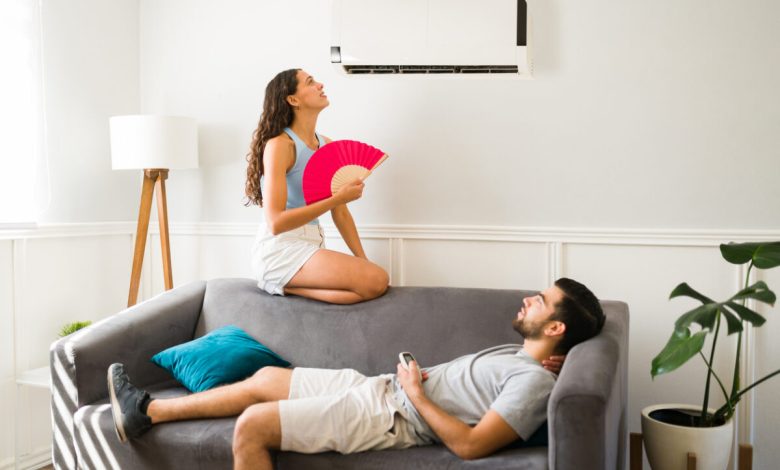
You switch the air con on. You wait. The fan is blowing. The power is being used. Yet the house still feels warm, sticky, or strangely uneven. If you have ever thought, “Is my air con weak?” you are not alone. In Mandurah, this happens all the time, and it is often not because the unit is broken. More often, the house is quietly feeding heat back in faster than the system can remove it.
Think of this article as a heat detective’s walkthrough. We are going to track where the warmth is coming from, how it sneaks around your home, and what you can do about it. Some fixes are simple habits you can start today. Others are the kind of issues where calling a professional makes sense, especially if you are dealing with ongoing comfort problems and you are researching Air conditioning mandurah support.
Step One, Work Out What “Hot” Actually Means in Your Home
Before you blame the system, narrow down what you are feeling.
Are you dealing with one of these patterns?
- The air con feels cool near the vent, but the room is still warm
- One side of the home is comfortable, the other side is not
- It cools at night, but struggles late afternoon
- It runs constantly but never reaches a comfortable point
- You feel a bit clammy, even when the temperature seems lower
Each pattern points to a different cause. When you identify your pattern, you stop guessing and start fixing.
Step Two, Catch the Biggest Culprit, Heat Load
Heat load is just the total heat your house absorbs from sun, outside air, appliances, and people. When heat load is high, the air con is doing a losing battle unless you reduce what is coming in.
The classic Mandurah heat load story
Late afternoon sun hits west facing windows. The room warms like a greenhouse. The air con runs harder. Everyone drops the temperature lower. The system works longer. Comfort still feels patchy because the heat is still pouring in.
Quick signs you have a heat load problem
- Rooms with big windows feel warmer than rooms with small windows
- The hottest room is the one facing late sun
- The home feels fine in the morning, then gradually becomes uncomfortable
- Curtains or blinds feel warm to the touch
The fix that surprises people
Blocking heat early works better than trying to remove it later. Close blinds before the sun floods the room, not after it is already warm.
Step Three, Find the Air Leaks, The Invisible Heat Highway
Air leaks let hot air creep in and cool air escape. You end up paying to cool the outdoors.
Where leaks usually hide
- Gaps under external doors
- Worn door seals
- Sliding door frames that do not seal well
- Older windows with loose frames
- Exhaust fans that do not close properly
-
Wall penetrations behind TVs, fridges, or washing machines
A quick at home draft check
On a breezy day, run your hand around door frames and window edges. If you feel air movement, you have a leak. If you can see daylight around a door, it is a leak.
Why leaks feel worse in summer
Hot air is not just warm, it often carries moisture. That can create a sticky, heavy feeling indoors even when the air con is trying its best.
Step Four, Check Airflow, Because Cooling Needs Movement
Many “my air con is not cooling” complaints are really “my air is not moving properly.” The system might be producing cool air, but it is not distributing it well.
Split system airflow problems
- Filters clogged, airflow drops
- Indoor fan set too low for a large room
- Wall head positioned so it blows into a corner, not across the space
- Furniture blocking airflow path
- The room is too large for the unit size
Ducted system airflow problems
- Vents closed or partially closed, causing poor distribution
- Return air grille blocked by furniture
- Leaky ducts in the roof space
- One zone trying to cool too many rooms at once
- Poor balancing, some rooms get too much air, others too little
A simple airflow reality check
Stand under a vent or in front of a split head and feel the air stream. Now move to the far end of the room. If the far end stays warm and still, airflow and circulation are the issue, not necessarily the unit.
Step Five, The “Hot Room” Mystery, Why One Room Always Loses
Every street has that one house where the main bedroom is always hot. Often, it is not the air con, it is the room itself.
Why some rooms run hotter
- West or north west facing windows
- Dark roof above that room
- Poor roof insulation above that room
- More glass, less shade
- A closed door at all times with limited return air path
- High ceiling or stairwell effect
Quick upgrades that make a hot room more manageable
- Blockout curtains plus a pelmet, reduces heat coming from top gaps
- Better window sealing, even basic improvements help
- A ceiling fan, it makes cooling feel stronger
- Keeping doors positioned to support airflow when safe and practical
Step Six, Settings That Quietly Sabotage Comfort
Sometimes the system is fine, but the settings are not.
Common setting mistakes
- Running on “Auto” in a way that keeps switching modes
- Fan speed set too low for a big space
- Temperature set extremely low, expecting faster cooling
- Turning it off and on repeatedly, instead of maintaining comfort
- Cooling with doors and windows open for refrigerated systems
The comfort trick many households miss
Pick a steady target temperature and let the system stabilise the home. Constantly changing the temperature makes the house feel like it is never settling.
Step Seven, Moisture and That “Clammy” Feeling
If the house feels sticky, it may not be only temperature. Moisture changes comfort dramatically.
Why it feels clammy
- Humid outdoor air coming in through leaks or open doors
- A home that has absorbed moisture from showers, cooking, laundry
- A system running in a stop start pattern that never settles the indoor environment
What helps without overcomplicating it
- Use exhaust fans when cooking and showering
- Keep internal doors open when practical to improve circulation
- Avoid turning the system off completely during the hottest part of the day if the home is already heat soaked
- Ensure the system is correctly sized so it can run steadily, not constantly struggle
If you consistently feel sticky and the system is not improving comfort, it is worth having it checked for performance and airflow issues.
Step Eight, When It Is Actually a System Problem
Sometimes the unit is the issue, and the signs are fairly clear.
Signs the system may need professional attention
- Weak airflow even after filter cleaning
- Ice forming on the indoor unit or pipes
- Outdoor unit making loud new noises
- The system trips power or shuts down
- It runs nonstop and never reaches comfort
- Water leaking from the indoor unit
- Burning or electrical smells
At that point, stop pushing the unit hard and get a proper diagnostic check.
Step Nine, The “Fix Order” That Saves Money
Many people throw money at the wrong fix first. This order usually gives the best return.
Fix order that makes sense
- Clean filters and clear vents or return air
- Block late sun with blinds or curtains before the heat builds
- Seal obvious air leaks around doors and windows
- Improve airflow habits, fans, door positions, zone choices
- Book a professional check if comfort is still poor
- Only then consider upgrading or replacing the system
This approach prevents you replacing a unit when the real problem is your home’s heat behaviour.
Step Ten, How to Explain the Problem So a Technician Can Solve It Faster
If you end up booking a service, give details that point to a cause.
What to note before the visit
- What time of day it feels worst
- Which rooms feel hottest and which feel fine
- Whether doors are usually open or closed
- Whether it is worse on humid days
- Any noises, leaks, or odours and when they started
- How often you clean filters
Clear info speeds up diagnosis and often reduces costs.
FAQ
Why does my air con cool at night but struggle in the afternoon?
Afternoon heat load is usually higher due to sun exposure and the home storing heat through the day. If west facing windows are involved, the room can gain heat faster than the system can remove it. Improving shading and sealing, and running a steady cooling schedule before peak heat, often helps.
My air con is blowing cold air, so why do I still feel warm?
Cold air at the vent does not always mean good room comfort. Poor circulation, blocked return air, or an oversized room for the unit can leave warm pockets in the space. Improving airflow and distribution is often the key.
Should I keep doors open or closed while cooling?
For refrigerated air conditioning, closed doors and windows generally deliver the best performance because the system is designed to condition indoor air. For evaporative cooling, you need openings for airflow to escape. If you are unsure which you have, check whether your system is evaporative or refrigerated.
How do I know if my ducted system has a duct leak?
Clues include weak airflow in multiple rooms, dust around vents, certain rooms never cooling, and higher running costs without a clear reason. A technician can inspect roof space ducts and test airflow to confirm.
Why is one bedroom always hotter than the rest of the house?
That room may have higher sun exposure, less insulation, more glass, or reduced airflow. Sometimes the vent is under delivering due to balancing or duct layout. Simple steps like better curtains, sealing, and airflow adjustments can help, but ongoing issues may need a technician to balance the system.
Is it bad to set the temperature very low to cool faster?
It usually does not cool faster, it just makes the system run longer and may overcool other areas. A steady, sensible target with good airflow tends to feel more comfortable and can be cheaper to run.
When should I stop troubleshooting and call a professional?
If you see icing, leaks, burning smells, unusual loud noises, tripping power, or persistent poor cooling after basic cleaning and airflow checks, it is time for a professional diagnostic. That is also the best move if comfort is consistently poor across multiple rooms.
What is one fast improvement I can do today?
Clean filters, clear vents and return air, and close blinds in sun exposed rooms before the afternoon heat arrives. Those three actions alone often change how the home feels within a day.