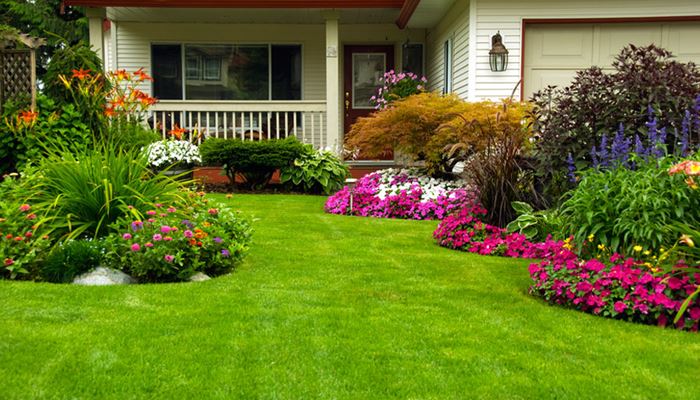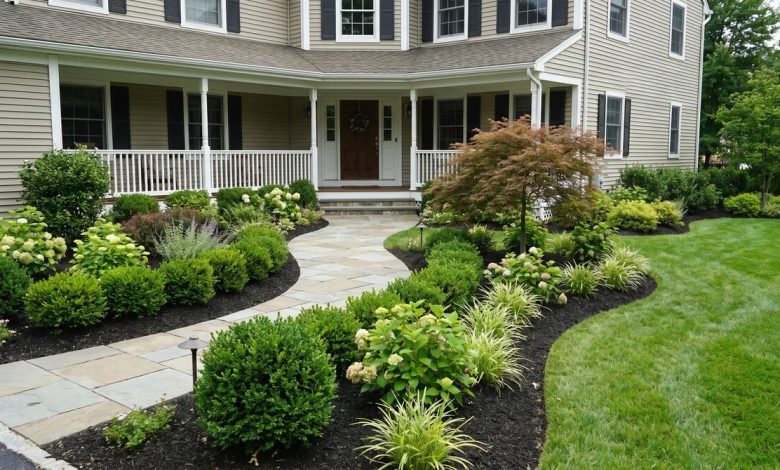
First impressions matter, and the front yard is the very first thing guests, neighbors, and potential buyers see. A well-designed landscape frames the architecture of your house, softens harsh building lines, and adds vibrant life to an otherwise plain street view. Yet, many homeowners feel intimidated by landscaping, assuming it requires professional grading equipment, encyclopedic botanical knowledge, or thousands of dollars in nursery stock.
In reality, successful curb appeal hinges on straightforward design principles, clean maintenance lines, and dependable plant selections. You do not need to overhaul your entire front yard over a single weekend. By starting with focused, high-impact projects, you can dramatically elevate your home exterior with projects that are approachable, cost-effective, and easy to maintain over time.
Define Crisp, Clean Edges Along Garden Beds
The simplest, most impactful task any novice gardener can tackle is establishing clean borders between the lawn and planting beds. A messy boundary where grass creeps into the dirt makes even the healthiest plants look neglected, while a razor-sharp edge immediately signals structure and order.
-
Trench an English natural edge: Take a flat-edge spade or a half-moon edger and cut a straight three-to-four-inch vertical trench along the perimeter of the bed, angling the soil downward toward the planting area. This shallow trench catches grass runners before they infiltrate the soil.
-
Install no-dig composite borders: For a permanent physical barrier, install low-profile poly or composite edging secured with ground stakes. It sits almost flush with the lawn level, allowing your lawnmower wheels to roll smoothly along the perimeter without catching.
-
Lay brick or concrete pavers: Dig a shallow trench, level it with an inch of coarse sand, and lay classic concrete or clay pavers end-to-end. This creates a functional mowing strip that keeps grass blades from intruding into the mulch bed.
Once your edges are cut, clean up the soil side with a steel garden rake to create an even, polished baseline for the rest of your landscape design.
Layer Plants by Mature Height and Depth
A common beginner mistake is purchasing random nursery plants and placing them haphazardly across a dirt bed. Professional landscapes look balanced because they follow the standard rule of layering: arranging plant material in descending order from back to front.
-
The background foundation: Position your tallest elements along the rear boundary, directly against the foundation wall or property line. Small evergreen shrubs, tall ornamental grasses, or compact columnar trees provide consistent structure through winter.
-
The middle transition layer: Place mid-sized perennials, flowering shrubs, or low mounding bushes in the center tier. These provide seasonal color, texture changes, and visual weight during spring, summer, and fall.
-
The foreground border: Line the front edge with low groundcovers, creeping varieties, or compact annuals that stay under twelve inches tall. These anchor the planting bed cleanly down to the lawn or walkway.
Always space plants according to their mature width stated on the nursery tag. A newly planted bed may look sparse for the first season or two, but spacing specimens correctly prevents overcrowded tangles and stunted roots later.
Choose Resilient, Climate-Appropriate Perennials
Nothing drains enthusiasm faster than watching expensive nursery plants wither during the first summer heatwave. As a beginner, your best strategy is choosing tough, resilient perennial varieties that naturally thrive in your local hardiness zone without constant coddling.
-
Coneflowers and black-eyed Susans: These hardy prairie natives handle direct sun, resist drought, and produce cheerful blooms from early summer through fall, attracting local pollinators.
-
Hostas and coral bells: For north-facing walls and shaded front porches, these broadleaf perennials provide lush foliage patterns ranging from chartreuse to deep burgundy without demanding extensive maintenance.
-
Russian sage and lavender: These drought-tolerant choices thrive in lean, sandy soils and baking afternoon heat, providing airy purple spikes that soften rigid front pathways.
-
Daylilies: Known for their ability to thrive in poor soils and alongside salty road edges, daylilies establish thick clumps that naturally crowd out weeds and return year after year.
Group flowering perennials in clusters of three or five of the exact same variety. Odd-numbered groupings create a natural, cohesive drift of color that catches the eye from the street much better than single, isolated stems.
Apply a Fresh Layer of Natural Wood Mulch
Mulch is the unsung hero of residential landscaping. Beyond giving garden beds a rich, uniform color, a generous layer of mulch performs vital functions that protect your planting investment.
-
Retain soil moisture: Mulch reduces surface evaporation significantly, meaning you spend less time dragging hoses around the yard during the hottest months.
-
Suppress weed growth: A dense blanket prevents weed seeds from contacting the soil and blocks sunlight from germinating dormant seeds beneath.
-
Regulate ground temperatures: Organic mulches insulate root balls from extreme temperature swings, keeping soil cool in summer and warm during winter freezes.
-
Choose natural shredded bark: Select undyed shredded hardwood, pine bark nuggets, or cedar mulch. As these materials slowly decompose, they enrich the native soil with organic matter.
Spread mulch evenly at a depth of two to three inches across the entire bed. Be sure to keep mulch pulled back three to four inches away from the direct trunks of trees and shrub crowns to prevent bark rot and rodent damage.
Frame the Entryway with Architectural Planters
Your front door is the natural focal point of the front elevation. Adding high-impact container plantings flanking the front steps draws attention directly toward the entrance, making your home feel welcoming.
-
Select substantial planters: Choose substantial urns, modern concrete cylinders, or glazed ceramic pots that measure at least sixteen to twenty inches across. Tiny pots look lost against large front porches and dry out too quickly during summer heat.
-
Use the thriller, filler, spiller method: Anchor the center of the pot with an upright specimen like an ornamental grass or dwarf arborvitae (thriller), surround the midsection with flowering annuals or colorful coleus (filler), and allow trailing sweet potato vine or ivy to cascade over the rim (spiller).
-
Maintain seasonal versatility: Because containers are self-contained, you can easily swap out seasonal color: pansies in early spring, vibrant petunias in summer, ornamental kales and mums in autumn, and evergreen boughs with berry branches in winter.
Always check that your outdoor containers have pre-drilled drainage holes in the base so excess rainwater can escape without rotting plant root systems.
Illuminate Pathways and Trees with Low-Voltage Lighting
A beautiful landscape should not disappear once the sun goes down. A basic landscape lighting setup adds instant luxury, increases nighttime safety along walkways, and deters trespassers.
-
Line walkways with soft path lights: Space shielded fixtures evenly along walkways, staggering them from side to side rather than placing them in rigid parallel rows like an airport runway.
-
Uplight architectural trees: Place low-voltage LED spotlights at the base of prominent trees, aiming the beam up the trunk into the branch canopy. This creates dramatic silhouettes against the evening sky.
-
Wash the foundation walls: Position wide-angle flood fixtures to illuminate blank brick or siding walls between front windows, adding warm ambient depth to the facade.
-
Opt for low-voltage transformers: Modern low-voltage systems run on simple twelve-volt transformers plugged into an outdoor GFCI outlet. The thin wires can be buried just a few inches beneath the mulch or sod without hiring an electrician.
Select warm white LED bulbs between 2700K and 3000K to provide a welcoming, natural glow that flatters your home siding and foliage.
Build a Gravel or Stepping-Stone Walkway
If you have a muddy, worn path cutting across your lawn where family members frequently walk, turn it into an intentional hardscape feature. Laying an informal path adds charm and connects different parts of your front yard.
-
Lay natural flagstones: Dig out shallow spots in the lawn matching the shape of broad, flat stepping stones. Set the stones level with the surrounding sod so the lawnmower can pass right over them without striking the edges.
-
Create a pea gravel or crushed stone path: Excavate four inches of dirt, install sturdy metal or plastic edging along the sides, lay a layer of commercial-grade landscape fabric to prevent weeds, and fill the trench with crushed limestone, river pea gravel, or decomposed granite.
-
Edge with groundcovers: Plant low-growing, resilient groundcovers like creeping thyme or dwarf mondo grass between stones to create a soft, lived-in cottage look.
A well-placed path guides the eye naturally through your outdoor space, turning a simple yard into an inviting, interactive landscape.
Frequently Asked Questions
How can I determine what hardiness zone I live in before buying plants?
You can look up your specific plant hardiness zone using the official Department of Agriculture interactive map online. Simply enter your zip code to discover your region average annual minimum winter temperature, which determines whether specific perennial plants and shrubs can survive winters in your area.
How do I test my garden soil texture and drainage at home without special equipment?
Perform a simple percolation test by digging a hole roughly twelve inches wide and twelve inches deep in your garden bed. Fill the hole completely with water and allow it to drain, then fill it again and measure how quickly the water level drops with a ruler. If the water drains between one and two inches per hour, your soil has ideal drainage; draining slower indicates heavy clay, while faster drainage points to sandy soil.
What is the best time of year to plant new shrubs and perennials for the best survival rate?
Early autumn is generally the ideal window for planting hardy trees, shrubs, and perennials. Fall air temperatures are cooler, which reduces heat stress on foliage, while the soil remains warm enough for roots to establish securely before winter dormancy. Early spring is the second best option once the soil thaws and can be easily worked.
How often should beginner gardeners water newly installed plants?
Newly planted trees, shrubs, and perennials need consistent deep watering while their root networks adapt to native soil. For the first two to three weeks, water deeply every two to three days rather than giving them a quick surface sprinkle daily. Deep, infrequent watering encourages roots to grow downward into the soil, creating a drought-resilient root system over time.
Can plastic landscape fabric be used permanently under mulch beds?
Using non-woven plastic weed fabric beneath organic wood mulch is not recommended for long-term planting beds. Over time, decomposing mulch and windblown dust break down on top of the fabric, creating a new layer of dirt where weed seeds take root anyway. Furthermore, the synthetic barrier blocks earthworms, traps moisture irregularly, and makes planting new additions down the road frustrating.
How far away from the house foundation should shrubs and trees be planted?
Small-to-medium shrubs should be planted at least three to four feet away from foundation walls to ensure adequate airflow, protect exterior siding from trapped moisture, and allow room for exterior home maintenance. For larger ornamental trees, verify the expected mature canopy spread and plant them at least half of that total mature width away from your rooflines and gutters.
What is the difference between an annual plant and a perennial plant?
Annuals complete their entire lifecycle within a single growing season; they sprout, bloom continuously for months, set seed, and die off when winter frost arrives. Perennials live for multiple seasons, dying back to ground level in freezing winters and resprouting from their established root crowns every spring, providing reliable, recurring structure year after year.