
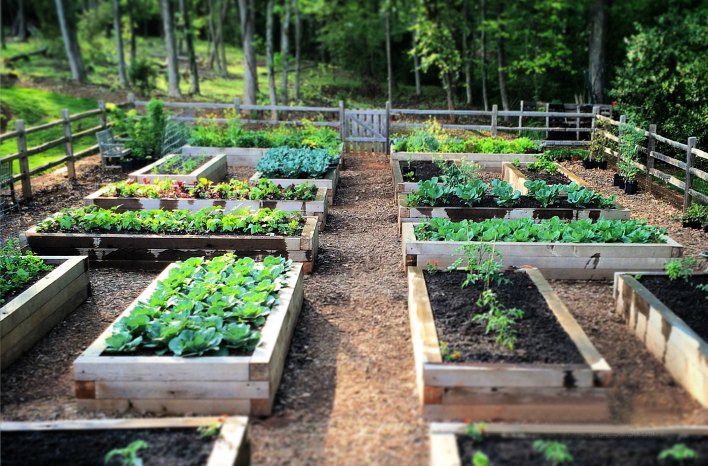
Gardening is one of the most rewarding ways to connect with nature, enhance your living space, and support local ecosystems. Whether you have a sprawling backyard or a modest balcony, creating a garden that thrives starts with understanding the fundamentals. This guide walks you through essential steps to plan, grow, and maintain your garden with confidence.
Understanding Your Garden Space
Every successful garden begins with knowing the environment you’re working with. Factors such as sunlight, soil quality, and climate shape what you can grow.
Assess Sunlight Exposure
Identify how much sunlight your space receives during the day. Plants typically fall into three categories:
-
Full sun: 6–8 hours of direct light
-
Partial sun/shade: 3–5 hours
-
Full shade: Less than 3 hours
Matching plants to their ideal light conditions prevents stress and encourages vigorous growth.
Evaluate Soil Quality
Healthy soil is the foundation of every garden. Check:
-
Texture: sandy, loamy, or clay
-
Drainage: does water pool or drain quickly?
-
pH level: acidic, neutral, or alkaline
Amending soil with compost improves its structure and nutrient balance, supporting long-term plant health.
Know Your Climate
Research your region’s plant hardiness zone to choose species that naturally succeed in your local conditions.
Planning Your Garden Layout
Strategic planning ensures a balanced and manageable garden. Consider both functionality and aesthetics.
Choose the Right Type of Garden
Popular garden styles include:
-
Vegetable gardens for fresh seasonal produce
-
Flower gardens for color and pollinator attraction
-
Herb gardens for culinary and medicinal uses
-
Container gardens for small or urban spaces
Design for Growth
Leave adequate space between plants to avoid overcrowding. Taller plants should be placed toward the back or center, depending on the design, with shorter species near the edges.
Selecting Plants That Thrive
Choosing plants wisely increases your success rate and reduces maintenance.
Opt for Native Species
Native plants adapt easily to local climates and require less water and care.
Mix Perennials and Annuals
A combination provides:
-
Perennials for long-term structure
-
Annuals for seasonal color and flexibility
Consider Companion Planting
Some plants enhance each other’s growth. For example:
-
Basil can improve tomato flavor
-
Marigolds deter pests from vegetables
Caring for Your Garden
Maintenance determines the longevity and productivity of your garden.
Watering Wisely
Efficient watering practices include:
-
Watering early in the morning
-
Keeping soil evenly moist
-
Avoiding overhead watering to reduce disease
Using Mulch
Mulch helps:
-
Retain moisture
-
Regulate soil temperature
-
Prevent weed growth
Pruning and Deadheading
Remove spent flowers and trim overgrown stems to encourage new growth and maintain plant shape.
Sustainable Gardening Practices
Eco-conscious methods support healthier plants and a healthier planet.
Composting
Kitchen scraps and yard waste create nutrient-rich compost that improves soil structure naturally.
Organic Pest Management
Instead of harsh chemicals, try:
-
Neem oil
-
Insecticidal soap
-
Beneficial insects like ladybugs
Water Conservation
Use rain barrels or drip irrigation to reduce waste and improve efficiency.
Common Gardening Mistakes to Avoid
Avoiding frequent pitfalls helps keep your garden thriving:
-
Overwatering or underwatering
-
Planting in incorrect light conditions
-
Ignoring soil improvement
-
Overcrowding plants
-
Neglecting seasonal care
FAQs
1. How often should I water my garden?
Most gardens need watering 2–3 times a week, but frequency depends on climate, soil type, and plant species.
2. What is the best time of day to water plants?
Early morning is ideal because it allows water to soak in before the heat of the day.
3. How do I improve poor soil quality?
Adding compost, aged manure, or organic matter helps enrich and balance the soil.
4. What are low-maintenance plants for beginners?
Lavender, marigolds, hostas, mint, and succulents are great starter options.
5. How can I prevent pests naturally?
Encourage beneficial insects, use neem oil, and practice companion planting.
6. Can I grow a garden in a small balcony?
Yes! Containers, vertical planters, and compact varieties make balcony gardening very effective.
7. How do I know if my plants are receiving enough sunlight?
Watch for signs: leggy growth indicates insufficient light, while scorched leaves may mean too much direct sun.


