Lighting can make or break a home’s look and feel. Even beautifully designed spaces can appear dull, harsh, or uninviting if the lighting isn’t right. The good news? You don’t always need a complete renovation to fix it.
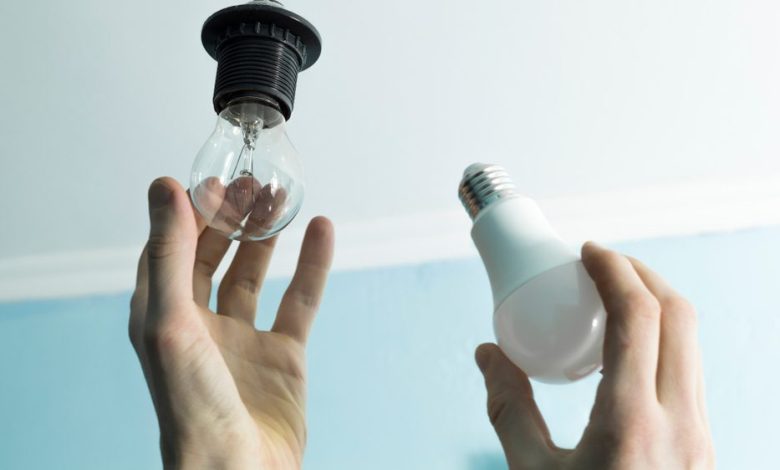
Sometimes, all it takes is a simple LED bulb swap to create a space that feels balanced, comfortable, and beautifully lit. Let’s look at some of the most common lighting mistakes people make, and how changing your indoor lights can quickly set things right.
Common Lighting Mistakes
Even with the best furniture and decor, a room can feel off if the lighting isn’t working in your favour.
Here are a few everyday mistakes and what they mean for your home.
The Lighting Feels Uncomfortable
You’ve probably experienced this: walking into a room where the light feels too harsh or too dim. The reason is often the wrong colour temperature. Warm light (around 2700K–3000K) creates a cosy atmosphere, while cool white light (5000K–6500K) enhances focus and alertness.
Using a cool white bulb in a bedroom or a warm one in a study can make the room feel “off.” The fix? Choose your LED bulb based on the room’s purpose. Warm light works best in bedrooms and living rooms, while cooler tones suit study or kitchen areas.
The Bathroom Is Too Dark
A dim bathroom can make daily tasks like shaving or makeup application frustrating. Many people rely on a single ceiling light, which casts uneven shadows.
Add a few indoor lights near the mirror or above the sink using bright LED bulbs to ensure balanced visibility. Choose bulbs with cool white tones to reflect true colours and make the space feel fresh and clean.
If the bathroom still feels gloomy, check the placement of your fixtures. Even the right bulb won’t help if it’s hidden behind a shade or placed too high.
Can’t See What’s Being Cooked
If your kitchen lighting makes chopping or cooking difficult, the problem is usually uneven or dim task lighting. Overhead lights often don’t reach countertop areas effectively.
Install LED bulbs under cabinets or above work surfaces to brighten those shadowy spots. These small additions can instantly improve visibility while making your kitchen look more inviting.
You can even experiment with neutral white lights (around 4000K). They offer brightness without the glare, perfect for both daytime and evening use.
The Light Is Too Big or Too Small
Proportion matters. A giant ceiling light in a small room or a tiny bulb in a large hall can throw off the entire balance. When the light fixture doesn’t match the room size, the illumination either overwhelms or underperforms.
The solution is to use multiple LED bulbs of smaller wattage in big rooms rather than one overpowering source. This spreads light evenly and reduces harsh shadows. For compact areas, one well-placed bulb or soft indoor light can be enough to create a pleasant, balanced effect.
The Ambience Is Too Bright
Sometimes, everything looks overexposed. Walls glare, colours look faded, and the overall mood feels too intense. This happens when all the lights in a room are equally bright, leaving no variation or warmth.
To fix this, layer your lighting. Use a mix of LED bulbs with different brightness levels. One for general lighting, another for task lighting, and a third for ambience. Dimmable bulbs can also help adjust brightness depending on the time of day or activity.
Soft, indirect lighting from floor lamps or wall fixtures can balance brightness and create a cosy, magazine-worthy atmosphere.
Fixing Lighting Issues with an LED Swap
You don’t need to rewire your home or buy expensive fixtures to correct lighting mistakes. A thoughtful LED bulb swap can do wonders. Here’s how:
Match the Bulb to the Function
Every room serves a purpose. Choose light accordingly; cool white for focus (like kitchens and study areas) and warm white for comfort (like bedrooms and lounges).
Adjust Brightness by Wattage
A 9W LED bulb can light up a medium-sized room effectively, while smaller wattages work better for cosy corners or decorative fixtures. Always balance brightness with room size and activity.
Use Colour Temperature Smartly
Instead of using one tone throughout your home, mix warm and cool lighting depending on the vibe you want to create. Warm tones make spaces inviting, while cool tones give a crisp, modern finish.
Layer for Depth
Combine overhead lights with wall lamps, spotlights, or under-cabinet indoor lights to add dimension. This helps highlight furniture, textures, and artwork without overpowering the space.
Focus on Energy Efficiency
Apart from aesthetics, LED bulbs save energy and last longer. Swapping old bulbs for LEDs can lower your electricity bills while improving overall illumination.
A few strategic bulb changes can turn a dull, unevenly lit home into a bright and comfortable haven.
Lighting That Reflects You
Good lighting isn’t just about brightness; it’s about balance, mood, and functionality. Each corner of your home tells a story, and the right LED bulb helps you bring that story to life.
Correcting simple mistakes from the wrong colour tone to uneven brightness can make your space feel more natural and visually soothing. A few well-placed indoor lights can highlight your decor, enhance comfort, and make everyday activities more enjoyable.
Before you think of rewiring or redesigning, start small. A simple LED bulb swap can do more than fix lighting issues. It can transform how you see and experience your home.