Solid timber furniture brings warmth, texture, and organic beauty into modern homes. Unlike synthetic laminates that look identical off an assembly line, authentic teak wood carries swirling grain patterns, subtle colour variations, and natural mineral streaks that tell a story of decades spent growing in tropical forests. Yet, many homeowners accidentally erase this rich character through aggressive scrubbing, harsh chemical polishes, or thick plastic varnishes.
Caring for solid timber does not require turning your dining room into a restoration workshop. Whether you own an heirloom armchair or a statement wooden dining table in Singapore, gentle, informed maintenance preserves the timber’s innate oils while allowing its natural beauty to shine. By respecting how this dense hardwood breathes and adapts to humid indoor climates, you keep your furniture looking authentic for generations.
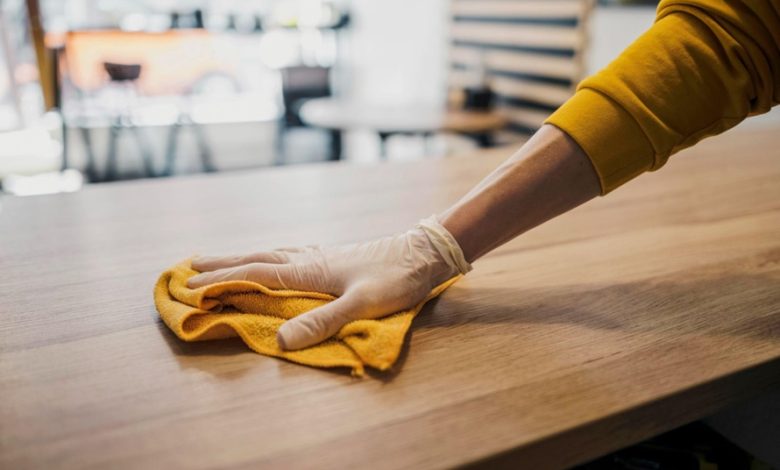
Daily maintenance relies on wiping surfaces along the grain with a slightly damp microfibre cloth and drying the timber immediately, rather than soaking the wood or applying silicone sprays. When spills happen, blot coffee, wine, or oil instantly with an absorbent cotton towel instead of scrubbing with abrasive pads or bleach cleaners that damage the natural fibres.
For deeper nourishment, apply a thin coat of pure beeswax or natural tung oil once or twice a year, avoiding thick, glossy polyurethane lacquers that trap moisture underneath. Finally, protect the timber from environmental stress by placing cork coasters under drinks, setting trivets beneath hot pots, and using sheer curtains to diffuse harsh afternoon sunlight.
Gentle Cleansing: Ditch Harsh Chemicals for Simple Soap and Water
Commercial furniture sprays often promise instant shine, but they typically deposit silicone residues that clog timber pores and create a cloudy, artificial sheen over time. Authentic teak wood already contains abundant natural rubber and silica, giving it built-in resistance against moisture and pests.
Keep your routine delightfully simple. Wipe surfaces weekly using a soft microfibre cloth lightly misted with lukewarm water. If sticky food residue lingers after a family dinner, mix two drops of mild, pH-neutral dish soap into a bowl of warm water, wipe gently in the direction of the wood grain, and immediately buff the surface completely dry with a clean towel. Never let standing water pool on the timber, as prolonged moisture raises the wood fibres and causes rough patches.
Embracing the Patina: Understanding Natural Colour Evolution
Freshly milled timber displays a warm, golden-honey hue that deepens gracefully over the years. Exposure to ambient indoor light and air oxidises the surface oils, shifting the tone toward a rich, mellow amber, or a distinguished silvery-grey if placed outdoors.
Many owners panic when they notice subtle tonal shifts, rushing to sand down the wood to recapture its showroom brightness. Resist that urge! Oversanding strips away precious millimetres of aged timber and erases the organic depth that makes solid wood special. Instead, embrace this living patina as proof of genuine craftsmanship. Rotate decorative bowls, table runners, and placemats across your wooden dining table in Singapore every few weeks so light reaches the entire tabletop evenly, preventing pale, unexposed outlines from forming beneath stationary objects.
Breathing Room: Nourishing the Grain Without Suffocating It
Thick synthetic varnishes encase timber in a rigid plastic shell. While glossy lacquers resist initial scratches, they eventually chip, peel, and yellow in humid tropical climates, forcing you into messy chemical stripping down the road.
Allow your furniture to breathe by choosing natural, penetrating finishes. Once or twice a year, massage a light layer of pure tung oil, raw linseed oil, or natural beeswax into the clean timber using a lint-free cloth. Wait twenty minutes for the thirsty fibres to absorb the nourishment, then buff off every trace of excess oil until the surface feels silky and dry to the touch. This breathable protection enhances the contrast of the natural grain without masking its tactile warmth.
Everyday Shields: Practical Habits That Prevent Deep Scars
Preventing damage beats repairing it every single time. Small, consistent habits protect your tabletop from heat rings, condensation marks, and accidental cutlery dings while letting you enjoy your furniture without constant anxiety.
Keep a stack of felt-backed or cork coasters within easy reach for iced drinks and hot mugs. Always place thick wooden trivets beneath steaming serving dishes straight from the stove. Finally, monitor indoor humidity levels; running a dehumidifier or air-conditioning intermittently prevents extreme moisture swings that cause solid timber planks to expand or contract abruptly.
Let True Craftsmanship Age with Grace
Maintaining solid timber is all about partnership rather than perfection. By trading harsh chemical polishes for gentle damp cloths, protecting surfaces from extreme heat, and letting natural oils nourish the grain, you preserve the soul of your furniture effortlessly. Care for your pieces with a light touch, welcome the subtle marks of daily life, and watch your timber grow more captivating every year.
Frequently Asked Questions
How do I remove a white water ring from a teak tabletop?
Rub a small amount of non-gel white toothpaste or baking soda mixed with a drop of olive oil gently along the grain using a soft cloth, then wipe clean and apply a touch of beeswax.
Does indoor teak furniture need regular oiling?
No. Indoor teak retains its natural oils well and only needs a light application of natural wax or oil once or twice a year if the surface starts looking dry or dull.
Can I use standard glass cleaner or multi-surface spray on teak?
Avoid ammonia, alcohol, and multi-surface chemical sprays, as these solvents strip away natural surface oils and dry out the wood fibres prematurely.
Ready to bring authentic, sustainably sourced hardwood furniture into your home? Visit Wood Capitol today to find handcrafted pieces built to endure and elevate your living space.