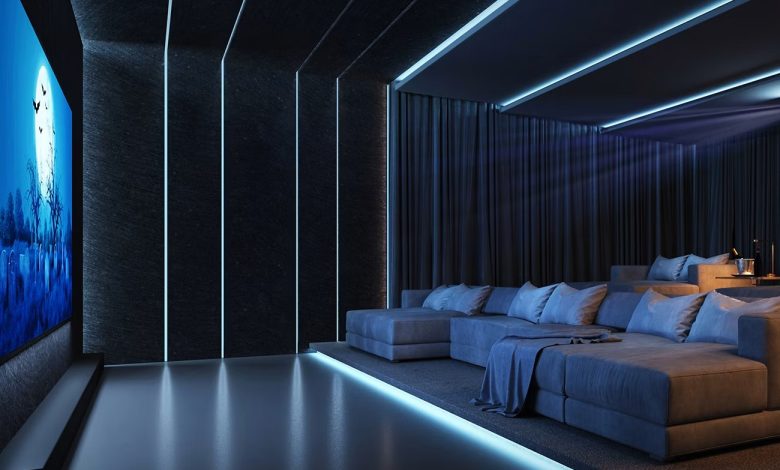
Introduction
Home theater lighting is one of the most important parts of creating a comfortable and cinematic viewing space. Many people focus on the screen, projector, speakers, seating, and soundproofing, but the lighting can make just as much difference. The wrong lighting can create glare, wash out the picture, and make the room feel uncomfortable. The right lighting can make your home theater feel warm, stylish, safe, and much closer to a real cinema experience.
A home theater should not always be completely dark. While a darker room helps a projector or television display a clearer image, people still need enough light to move around safely, find their seats, adjust remotes, or enjoy snacks. The goal is to use controlled lighting that supports the screen instead of competing with it. Whether you are designing a dedicated cinema room or improving a living room setup, a thoughtful lighting plan can completely change the way the space feels.
Why Home Theater Lighting Matters
Lighting affects both the picture quality and the mood of the room. A projector performs best when the room is dark because too much ambient light reduces contrast and makes the image look faded. Even a high-quality television can suffer from reflections if lamps, windows, or ceiling lights are placed in the wrong position.
Good lighting also helps reduce eye strain. Watching a bright screen in a pitch-dark room for a long time can feel uncomfortable for some viewers. Soft surrounding light helps the eyes adjust more naturally. It also makes the room safer, especially if guests need to walk around while the movie is playing.
A well-lit home theater feels intentional. It creates atmosphere before the movie starts, keeps the space practical during use, and adds a premium touch to the overall design.
Start With Dimmable Lighting
Dimmable lights are one of the best choices for any home theater. Fixed bright lights are useful when cleaning the room or setting things up, but they are usually too harsh for movie watching. Dimmers allow you to control the brightness based on the situation.
You can keep the lights brighter before the movie starts, lower them during the film, and raise them again when the movie ends. This simple feature makes the room easier to use and gives it a more professional cinema feel.
Modern dimmer switches, smart bulbs, and remote-controlled lighting systems make this even more convenient. You can create different lighting scenes for movies, gaming, sports, or casual television watching. Instead of adjusting each light separately, one button can change the entire mood of the room.
Avoid Direct Light on the Screen
The biggest mistake in home theater lighting is allowing light to shine directly on the screen. This can cause reflections, reduce contrast, and make the image harder to see. Direct light is especially harmful in a projector room, but it can also affect flat-screen televisions.
Ceiling lights should not point toward the screen. Table lamps should not sit in a position where their glow reflects on the display. If possible, avoid placing bright decorative lights near the front wall where the television or projector screen is installed.
The screen should remain the main focus of the room. All lighting should be placed and adjusted in a way that supports the viewing experience without pulling attention away from the picture.
Control Natural Light From Windows
If you are building a home theater from scratch, a room without windows is often the easiest option. However, many home theaters are created in living rooms, basements, or family rooms that already have windows. In that case, window control becomes very important.
Sunlight can quickly ruin the viewing experience by creating glare or making the screen look dull. Blackout curtains, thick drapes, roller shades, or layered blinds can help block unwanted daylight. They can also reduce light from street lamps, passing vehicles, or nearby buildings at night.
When arranging the room, try not to place the screen opposite a bright window. If you have limited layout options, use window coverings and position the screen at an angle that reduces reflections. A little planning can prevent a lot of frustration later.
Use Indirect Lighting for a Softer Effect
Indirect lighting is one of the most effective ways to light a home theater. Instead of shining directly into the viewer’s eyes or onto the screen, indirect light reflects softly from walls, ceilings, shelves, or architectural features. This creates a comfortable glow without causing harsh reflections.
Wall sconces, cove lighting, LED strips behind shelves, and low-level floor lighting can all work well. The key is to keep the light subtle. A home theater does not need bright decorative effects everywhere. It needs enough soft light to create atmosphere while keeping the screen clear and easy to watch.
Indirect lighting also helps the room feel more finished. Even a simple media room can feel more premium when the lighting is layered and controlled.
Wall Sconces Add a Cinema-Style Look
Wall sconces are a classic choice for home theater rooms. They create a warm glow and bring a traditional cinema feeling into the space. They work especially well when placed along the side walls instead of near the screen.
Choose sconces with shaded or diffused bulbs. Exposed bulbs can create glare and may be distracting during a movie. Low-wattage bulbs are usually enough because the goal is not to flood the room with light. The purpose is to create a soft background glow that makes the room feel cozy and stylish.
For the best result, connect sconces to a dimmer switch. This gives you full control over brightness and makes the lighting more flexible.
Consider Bias Lighting Behind the Television
Bias lighting is soft lighting placed behind a television. It helps reduce the contrast between a bright screen and a dark wall, which can make viewing more comfortable. It also gives the screen area a clean and modern look.
For most home theater setups, soft neutral backlighting works better than very bright or colorful effects. Bright color-changing lights may look exciting, but they can distract from the movie if they are too strong. If you enjoy colorful lighting for gaming or casual entertainment, keep it as a separate setting that can be turned off during serious movie viewing.
Bias lighting should be subtle. It should improve comfort without becoming the center of attention.
Add Accent Lighting With Purpose
Accent lighting can make a home theater feel personal and unique. It can highlight movie posters, shelves, collectibles, acoustic panels, or display cabinets. However, it should be used carefully. Too many glowing objects can make the room feel cluttered and reduce the cinematic effect.
A few tasteful accents are better than filling every corner with lights. The best accent lighting adds character while keeping the screen as the main focus.
For movie fans, themed accent lights are another fun option to consider. You can mount glowing collectibles on the walls to get a soft, colorful light that does not cause glare. Many people use high-quality replica lightsabers, for instance, as wall-mounted light fixtures in their cinema rooms. These props give off a gentle glow and make the space feel like a real cinema. They also display your favorite films and keep the room dark enough for the projector.
Smart Lighting Makes the Room Easier to Control
Smart lighting is now a popular option for home theaters because it makes the room more convenient. With smart bulbs, switches, or lighting systems, you can control brightness, color temperature, and lighting scenes from a phone, remote, wall panel, or voice assistant.
This is helpful because a theater room often uses more than one type of light. You may have ceiling lights, wall sconces, LED strips, step lights, and accent lights. Smart lighting allows you to manage everything together instead of adjusting each one manually.
For example, a movie scene can dim the wall lights, turn off the ceiling lights, lower the accent lights, and keep only soft pathway lighting active. This creates a smooth experience and makes the room feel professionally designed.
Choose the Right Color Temperature
Color temperature changes the mood of a room. Cool white light can feel too sharp and clinical for a theater space. Warm white light usually feels more relaxed and comfortable. It creates a cozy atmosphere that works well for movies, shows, and evening entertainment.
Neutral light can still be useful when cleaning the room, setting up equipment, or using the space during the day. If you use smart lighting, you can switch between warmer and brighter settings depending on the activity.
For movie viewing, soft warm light is usually the safest choice. It keeps the room comfortable without making the space feel too bright.
Make Safety Part of the Lighting Plan
A home theater should be dark enough for good picture quality, but it should not be unsafe. People may need to walk to the door, move around seating, or step down from a raised platform during a movie. Low-level pathway lighting helps solve this problem.
Small step lights, floor-level LED strips, or soft lights near walkways can improve safety without disturbing the screen. These lights should point downward and stay dim. They should guide movement, not light up the whole room.
This is especially useful in rooms with multiple seating rows, steps, or basement layouts where the space can become very dark.
Match Lighting With the Room Design
Lighting works best when it matches the rest of the room. Wall colors, ceiling finishes, flooring, furniture, and decorative surfaces all affect how light behaves. Bright white walls reflect more light, which can reduce contrast in projector rooms. Darker matte surfaces help absorb light and create a stronger cinema effect.
Matte finishes are usually better than glossy ones because they reduce reflections. Soft rugs, fabric seating, curtains, and acoustic panels can also help control the room visually and improve comfort.
The best home theater lighting plan considers the whole room, not just the bulbs. When the surfaces, layout, and lighting work together, the result feels more balanced and immersive.
Create a Comfortable Movie Atmosphere
A good home theater does not need to be overly complicated. The best lighting setups are practical, comfortable, and easy to control. Focus on dimmable lights, window control, indirect lighting, and a few well-placed accents. Avoid harsh bulbs, bright reflections, and unnecessary lighting effects that distract from the screen.
Before finalizing your setup, sit in each main viewing seat and check the room from that position. Look for glare, bright spots, reflections, or lights that pull attention away from the screen. This simple test can help you make better choices before installing permanent fixtures.
Conclusion
Home theater lighting can make the difference between an ordinary room and a true cinema-style experience. The right setup improves picture quality, reduces glare, protects eye comfort, and makes the space safer and more enjoyable. Dimmable lights, wall sconces, blackout curtains, smart controls, and thoughtful accent lighting can all work together to create the perfect viewing environment.
Whether you are planning a new home theater or upgrading an existing media room, lighting should be treated as a key part of the design. When it is done properly, your room becomes more than a place to watch movies. It becomes a comfortable, stylish, and memorable space for films, games, sports, and special moments with family and friends.