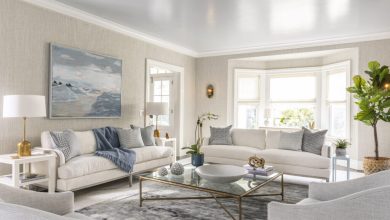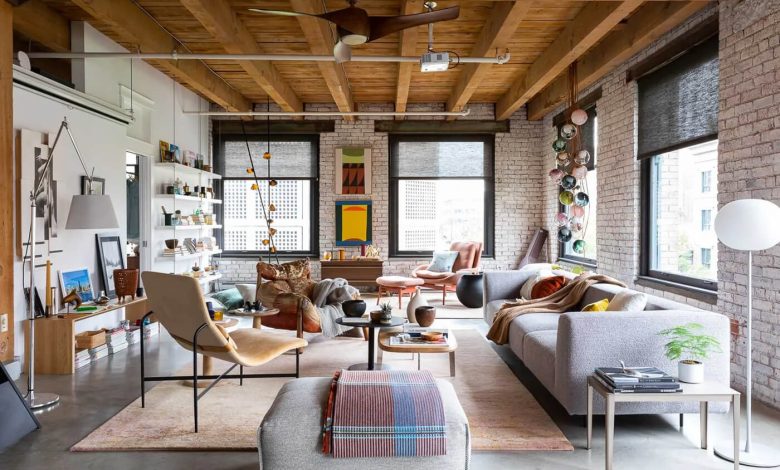
Home design is the art of shaping indoor spaces to match your lifestyle. It blends architecture, décor, and personal taste into a coherent environment that feels welcoming and practical. A thoughtfully designed home not only enhances day-to-day comfort but also supports emotional well-being.
Core Principles of Great Home Design
Balance and Harmony
Achieving balance ensures every part of a room looks intentional. Visual harmony comes from maintaining consistency in textures, tones, and decorative style, creating a sense of unity throughout your home.
Functionality First
A well-designed space prioritizes how you live. Focus on traffic movement, storage efficiency, furniture proportions, and accessibility. Every design decision should support comfort and ease of use.
Personal Expression
A home becomes truly yours when infused with items that reflect your identity. Consider displaying art, heirlooms, handmade pieces, or personal collections that add character and emotional warmth.
Key Elements That Transform a Home
Space Planning
Proper space planning ensures each room has a purpose and flows naturally. A few essential considerations include:
-
Defined zones for work, rest, and leisure
-
Adequate circulation to move comfortably
-
Scaled furniture to avoid overcrowding
Color and Lighting
Color sets the emotional tone, while lighting enhances functionality and ambiance.
-
Warm colors create coziness
-
Cool tones support relaxation
-
Layered lighting (ambient, task, accent) enhances depth and mood
Materials and Textures
Texture adds tactile richness and prevents a room from appearing flat. Combine elements like wood, metal, linen, stone, or woven fibers to create visual diversity and warmth.
Storage and Organization
Clutter disrupts serenity. Smart storage systems such as built-ins, hidden cabinets, and multifunctional furniture keep belongings tidy without compromising style.
Sustainability in Design
Eco-friendly home design is increasingly essential. Choices like natural materials, energy-efficient lighting, improved insulation, and responsibly sourced furnishings reduce environmental impact while enhancing indoor comfort.
Popular Home Design Styles
Modern
Clean lines, neutral palettes, and an emphasis on simplicity define modern design. It focuses on minimalism and functionality with uncluttered spaces.
Contemporary
This style evolves with current trends. Expect fluid shapes, mixed materials, bold accents, and a versatile aesthetic.
Scandinavian
Known for its warmth and simplicity, Scandinavian design embraces natural light, pale colors, and cozy textiles to create airy and inviting rooms.
Industrial
Inspired by warehouses and lofts, industrial design highlights exposed brick, metal pipes, concrete textures, and raw, unfinished materials.
Traditional
Rich details, classic furniture, symmetry, and warm tones define traditional décor. It creates an elegant and timeless environment.
Practical Tips for Enhancing Your Home Design
-
Prioritize comfort before aesthetics
-
Use mirrors to enlarge small spaces
-
Mix old and new for a curated look
-
Choose quality over quantity in furniture
-
Introduce greenery for freshness and natural charm
-
Test paint samples in different lighting before finalizing
High-Quality Images (800px width minimum)
Below are relevant harvested images you requested (not placed inside the article body):
1. How do I choose the right design style for my home?
Start by considering your lifestyle, color preferences, and the atmosphere you want to create. Explore mood boards and note which elements consistently appeal to you.
2. What is the most important aspect of home design?
Functionality is the foundation. A beautiful home must also support everyday comfort and practical use.
3. How can I make a small room appear larger?
Use light colors, mirrors, minimal furniture, and strategic lighting to open up the space visually.
4. What colors work best for relaxing environments?
Soft neutrals, muted blues, greens, and warm earth tones encourage calm and tranquility.
5. How do I mix different design styles without clashing?
Use a consistent color palette, balance visual weight, and blend complementary textures to maintain cohesion.
6. What are effective ways to add personality to a home?
Artwork, statement lighting, travel mementos, custom furniture, and unique décor pieces all contribute to individuality.
7. How important is lighting in home design?
Lighting significantly affects mood and functionality. Layered lighting enhances comfort and highlights architectural and decorative features.