
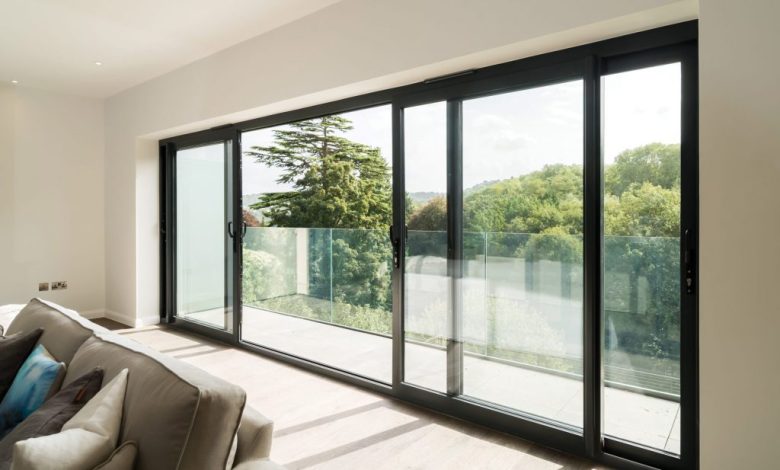
In the realm of modern architecture, the boundary between the sanctuary of the indoors and the beauty of the outdoors is becoming increasingly thin. Homeowners and designers are constantly searching for ways to maximize natural light and create a seamless flow between living spaces and landscapes. While standard sliding doors and large windows have long been the go-to solutions, a more dramatic and sophisticated option has emerged: the custom L-shape glass doors manufactured in Los Angeles. These corner-turning systems offer a unique architectural statement, but they also come with a significant price tag and complex installation requirements. To determine if they are truly worth the investment, one must weigh their aesthetic impact against the practicalities of engineering and daily use.
The Architectural Impact of an Uninterrupted Corner
The most compelling argument for L-shape glass doors is their ability to completely transform the visual geometry of a room. Traditional corners are structural necessities that often feel like barriers, boxing in a space and limiting the panoramic potential of a view. By replacing two meeting walls with glass, an L-shape door system removes the visual weight of the corner, effectively pulling the outdoor environment into the home. This creates a sense of openness that a flat wall of glass simply cannot replicate.
When these doors are fully retracted, the effect is even more profound. Modern engineering allows for “vanishing” corners where no structural post is required, leaving the roof seemingly hovering over an open expanse. This creates an unparalleled indoor-outdoor transition, perfect for entertaining or enjoying a summer breeze. The psychological impact of such a space is significant; it makes a home feel larger, brighter, and more connected to the rhythms of nature. For those who prioritize design as a core component of their living experience, this dramatic aesthetic shift is often the primary reason to choose a custom L-shape system.
Engineering Challenges and Structural Requirements
Because L-shape glass doors involve removing a corner of the home, the structural demands are much higher than those of a standard door installation. In a typical house, the corners are vital load-bearing points that support the weight of the roof and upper floors. To install a corner door system, especially one without a fixed corner post, a massive structural header or cantilevered beam must be integrated into the ceiling. This often requires the expertise of a structural engineer and specialized steelwork that must be planned during the early stages of construction or a major renovation.
Beyond the skeleton of the house, the door frames themselves must be engineered with extreme precision. Because glass is heavy and the L-shape configuration creates unique leverage points, the tracks must be perfectly level and the alignment must be exact to ensure smooth operation. High-end custom systems often use specialized rollers and reinforced frames to prevent the doors from sagging over time. This complexity is why custom L-shape doors are significantly more expensive than standard sets; you are not just paying for the glass, but for a sophisticated piece of moving machinery that must integrate perfectly with the home’s structure.
Energy Efficiency and Thermal Performance
A common concern with large expanses of glass is the impact on the home’s thermal envelope. In the past, massive glass doors were notorious for being “energy leaks,” making rooms too hot in the summer and too cold in the winter. However, modern custom glass technology has addressed these issues through the use of high-performance materials. Most L-shape glass doors now feature thermally broken aluminum frames, which prevent the transfer of heat through the metal, and double or triple-paned glass with Low-E coatings.
When choosing a custom system, it is vital to look at the U-factor and Solar Heat Gain Coefficient to ensure the doors meet local energy codes. While these high-performance options add to the upfront cost, they are essential for maintaining comfort in a room that is effectively walled with glass. Additionally, the orientation of the L-shape corner matters; a south-facing glass corner may require additional shading solutions or specialized tinting to prevent glare and overheating. When engineered correctly, these doors can actually help reduce energy costs by maximizing natural light and reducing the need for artificial lighting during the day.
Conclusion
Are custom L-shape glass doors worth it? The answer depends on your priorities as a homeowner. From a purely financial standpoint, they represent a significant investment that may not offer a dollar-for-dollar return in terms of resale value. However, the value of an L-shape door system is found in the lifestyle it enables. It provides an architectural elegance and a connection to the outdoors that standard windows simply cannot provide. It turns a living room into a gallery and a patio into an extension of the home.


