
Key Takeaway
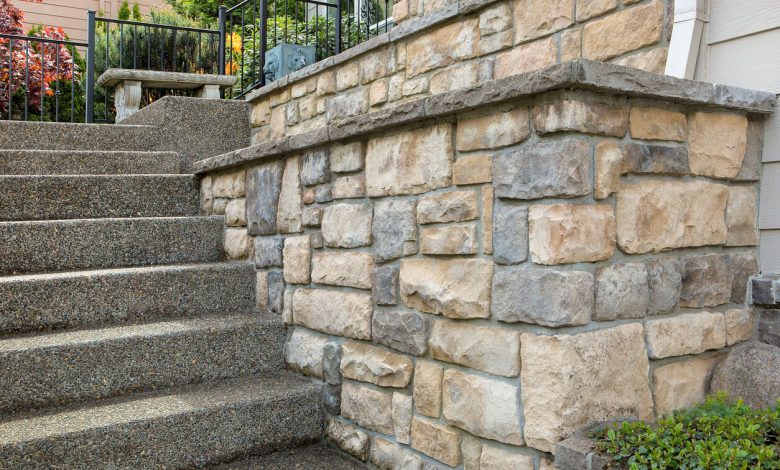
Faux stone panels offer a blend of elegance and practicality, serving as a versatile design solution that replicates natural stone textures without the hefty price tag.
Due to their lightweight design, faux stone panels present flexible application options, making them ideal for a range of residential and commercial projects.
In terms of maintenance, faux stone panels are significantly easier to care for than traditional stone, requiring just occasional cleaning, which equates to substantial long-term savings for clients.
Designed for durability, these panels can withstand varying environmental conditions, minimizing the frequency of repairs or replacements.
Opting for faux stone panels also supports sustainability initiatives. Their production generates less waste and a smaller carbon footprint compared to genuine stone alternatives.
The environmentally friendly attributes of faux stone panels include lower emissions and greater energy efficiency, aiding in the creation of better indoor air quality while reducing overall environmental impact.
Ultimately, faux stone panels enhance the visual allure of any setting while providing practical advantages, making them a desirable choice for contemporary design endeavors.
The Powerful Aesthetic Appeal of Faux Stone Panels
Creating Stunning Visuals with Versatile Designs
Faux stone panels skillfully blend elegance and practicality, and architectural design professionals frequently endorse them for their versatility and stunning visuals. They can mimic numerous textures, from rugged rustic aesthetics to sleek, modern appearances. Regardless of their application, inside or outside, they always leave a memorable mark.
Take a moment to reflect: modern architecture seeks sophistication without financial strain. Faux stone panels hit the mark beautifully. Designers often find these panels capable of achieving a look nearly identical to natural stone while remaining cost-effective. Additionally, their lightweight composition boosts design versatility, making them a perfect match for diverse applications.
The array of styles available can elevate any project concept. Whether one prefers earthy hues or vibrant shades, the possibilities are vast. Every panel can be tailored to fit a particular aesthetic vision, ensuring that each installation appears well-considered and bespoke. Why opt for the mundane when the extraordinary can be just one decision away?
How Color and Texture Come Together for Maximum Impact
In faux stone panels, color and texture harmonize beautifully, offering artistic opportunities that resonate with consumer desires. Experts underscore how the right combinations can transform a space entirely. Imagine how a textural contrast can infuse depth into a room or façade, drawing the eye and establishing focal points that invite admiration.
Designed to enchant, these panels capture attention. The way light plays upon their surfaces can create mesmerizing effects, resulting in stunning backdrops. When utilized effectively, they can foster atmospheres of comfort, warmth, or even sophistication. The visual impact is essential, and faux stone panels excel in delivering that.
Clients often report increased feelings of positivity and satisfaction in their environments. It’s more than just appearance; it’s about how these elements enhance emotional connections with the space. Such transformative experiences hinge on thoughtful design choices.
Cost-Effective Solutions for High-Quality Design
Balancing Budget and Beauty: A Winning Combination
Managing design costs while maintaining high quality can be challenging. Yet, businesses often discover that faux stone panels offer a cost-effective solution that doesn’t sacrifice aesthetic appeal. When lined up against traditional materials like real stone or brick, faux stone panels deliver marked savings in both installation and material expenses.
The installation phase is also notably efficient. There’s no requirement for heavy machinery or specialized masons. Because of their lightweight nature, projects are completed more swiftly, which translates to lowered labor costs. The combination of quick installation and economical products makes them an appealing option for both residential and commercial settings.
Maintenance, too, proves advantageous. Experts note that unlike real stone, which may necessitate sealing or special care, faux stone panels require minimal upkeep. A quick wash with soap and water usually does the job. Over time, clients find themselves with more savings, as they won’t be consistently investing in upkeep. Who wouldn’t appreciate that?
Comparing Maintenance Costs: Faux Stone vs. Traditional Stone
Understanding the disparity in maintenance costs can offer valuable perspective. Traditional stone often necessitates everything from sealing to extensive cleanings, leading to ongoing financial responsibilities that clients might not anticipate. Faux stone panels, on the other hand, take a completely different approach.
- Easier Cleaning: A simple soap-and-water mix is often sufficient.
- No Sealing Required: Eliminates time and additional expenses in maintenance routines.
- Resistant to Natural Elements: This results in a longer lifespan with less visible wear and tear.
Clients frequently voice their relief upon discovering they can achieve striking designs without incurring hidden costs. A win for all involved. The combination of lower installation and maintenance expenses positions faux stone panels as a practical option for modern builders.
The Durability and Longevity of Faux Stone Panels
Engineered to Resist the Elements: A Smart Investment
Durability stands as a prominent feature that distinguishes faux stone panels. Engineered to withstand various environmental challenges, these panels represent a smart investment for property owners. Experts highlight that while real stone can chip, crack, and degrade over time, faux stone panels retain their aesthetic appeal for much longer.
Think about this: whether exposed to heavy rain, wind, or extreme heat, faux stone panels demonstrate impressive resilience. This characteristic not only safeguards the aesthetic integrity of properties but also minimizes the need for frequent replacements. Both residential and commercial spaces profit from this dependable performance.
A multitude of clients have shared feelings of relief regarding repairs and maintenance. The assurance that the product will withstand time adds immense value. Why settle for less when durability is seamlessly integrated into the overall design?
How Faux Stone Panels Withstand Wear and Tear
Wear and tear are unavoidable realities in construction. Daily life subjects all materials to stress, with the presence of children, pets, and changing weather conditions. Faux stone panels are resilient, demonstrating their ability to endure these pressures admirably.
“The longevity of faux stone panels reshapes approaches to construction and renovation.”
Experts emphasize that their resistance to fading, chipping, and cracking makes these panels particularly appealing. Not only do they preserve their structural integrity, but they also maintain a consistent aesthetic, enabling designers to achieve polished looks devoid of continual repairs.
- Fade Resistance: Colors remain bright, sidestepping the dullness that some materials fall prey to over time.
- Impact Resistance: Less vulnerable to visible damage from physical contact—ideal for busy environments.
- Moisture Resistant: These panels don’t absorb water, which minimizes mold or mildew issues.
With these substantial benefits, it’s easy to see why faux stone panels emerge as a definitive preferred choice. They not only excel in appearance but also in functionality and impact. Balancing beauty and practicality—what more could be desired?
Sustainable Choices: Eco-Friendly Faux Stone Options
The Environmental Benefits of Selecting Faux over Real Stone
In today’s building landscape, sustainability is vital. More clients prioritize eco-friendly alternatives, making faux stone panels from Texture Plus an appealing selection. Crafted with less waste and energy-intensive methods, these panels provide an essential differentiation compared to traditional stone sourcing.
By choosing faux stone, clients help reduce quarrying practices, contributing to the preservation of natural environments. The environmental impact tied to mining genuine stone can be overwhelming; it disrupts ecosystems and depletes precious resources. Faux alternatives mitigate such negative effects without compromising quality.
Furthermore, a lower carbon footprint is achieved via lighter materials that are easier to transport. Businesses find that incorporating these panels into projects aligns with their sustainability objectives while being both stylish and functional. Truly a win-win scenario.
How Faux Stone Panels Contribute to Sustainable Building Practices
Integrating faux stone panels into construction enhances sustainable practices in several meaningful ways. They go beyond aesthetic appeal, aligning closely with responsible environmental stewardship.
- Low Emissions: Numerous faux stone options are produced with considerably lower VOC (volatile organic compounds), leading to improved indoor air quality.
- Reduced Waste: Unlike quarried stone, faux panels are molded in controlled settings where excess material can be minimized.
- Energy Efficiency: The thermal properties of these panels contribute to decreased energy needs in heating and cooling buildings.
As priorities shift toward greener building methods, professionals increasingly recognize the need to adopt such materials. The harmonization of functionality and sustainability can reform entire projects, resulting in better outcomes for clients and the environment alike.
Faux stone panels stand out as an exceptional medium for enhancing aesthetics, economic feasibility, durability, and sustainability. The advantages are substantial, forming a compelling argument for incorporating this innovative solution into architecture and design.
FAQ
What types of applications are best suited for faux stone panels?
Faux stone panels are incredibly adaptable, thriving in both residential and commercial environments. They excel in applications such as feature walls, exterior façades, fireplace surrounds, and even landscaping features.
Can faux stone panels be used in wet areas like bathrooms or outdoor spaces?
Absolutely, faux stone panels perform well in wet areas due to their moisture-resistant properties. Clients frequently find them ideal for showers, patios, and gardens—areas where traditional stone might face challenges.
How do faux stone panels compare to other wall coverings in terms of aesthetics?
Professionals commonly assert that faux stone panels stand up to traditional materials in aesthetic quality. They can replicate diverse textures and styles, offering clients a high-end appearance without the accompanying expense.
Are faux stone panels customizable in terms of color and design?
Definitely, faux stone panels present a wealth of color options and textures. Clients can fully tailor their choices to match specific design aspirations, ensuring a personalized approach to each project.
What is the typical lifespan of faux stone panels?
Faux stone panels are designed for durability, typically lasting many years without significant degradation. Many clients appreciate that their beauty and structural integrity can be maintained much longer than traditional materials.
How are faux stone panels installed compared to natural stone?
Installation for faux stone panels is often more straightforward and quicker, requiring less specialized labor and equipment. In contrast, traditional stone typically demands heavy machinery and skilled masons, making faux options a more practical choice.
Do faux stone panels exhibit any environmental benefits?
Indeed, faux stone panels are produced with lower emissions and minimized waste during manufacturing. Consequently, they help clients meet sustainability goals while enhancing the beauty of their spaces.
What maintenance does faux stone require over its lifespan?
Maintenance for faux stone is minimal; a simple wash with soap and water is usually all that’s necessary to keep them looking fresh. Clients appreciate the ease of upkeep, avoiding the costly sealing and intensive cleaning routines often associated with natural stone.
Useful Resources
- S. Green Building Council (USGBC)– An organization dedicated to promoting sustainable building practices through education and resources.
- NAIOP Commercial Real Estate Development Association– Provides research and resources for real estate professionals, including insights on sustainable development.
- Earth Day Network– Offers educational materials about sustainability and eco-friendly resources in construction and design.
- Building Science Corporation– A valuable source for building science research, covering topics on materials and energy efficiency.
- GreenBiz Group– Offers articles and resources on business sustainability initiatives, including architecture and design.
- American Council for an Energy-Efficient Economy (ACEEE)– Provides information on energy efficiency in building materials and practices.
- Facility Executive– Supplies news and resources relevant to facilities management, including insights regarding materials like faux stone panels.
- Architectural Digest– A leading design publication that features articles, trends, and insights on architectural materials and styles.


